Understanding Where The Water Comes From And What To Address First
Finding water in the basement after a storm does not automatically mean a pipe has burst. In many cases, the water comes from the ground surrounding the home. Heavy rain changes the conditions beneath the surface, placing pressure on the foundation and exposing drainage problems that stay hidden during dry weather.
Level 10 Coatings has installed more than 2,000 floors throughout Northern Indiana, Chicagoland and Southwest Michigan. Our in-house team evaluates the condition of each concrete floor before recommending a coating system. That experience gives us a clear understanding of why active water intrusion must be resolved before a basement floor is coated.
How Groundwater Reaches Your Basement
During heavy rain, the soil surrounding a home absorbs water until it becomes saturated. Groundwater then rises around or beneath the foundation and creates hydrostatic pressure—the force of water pushing against the basement walls and floor.
Water follows the weakest available entry point, including:
- Foundation cracks
- The joint between the wall and floor
- Openings around pipes
- Basement windows or window wells
Common Reasons Basements Flood During Heavy Rain
Heavy rain does not always create a new problem. It often exposes a drainage weakness that was already directing water toward the home.
The Ground Slopes Toward The House
The soil around a home should direct water away from the foundation. As the ground settles, low areas form and allow rainwater to collect beside the basement walls. Landscaping or nearby hardscaping sometimes redirects runoff toward the same vulnerable areas.
Gutters And Downspouts Drain Too Close To The Foundation
Gutters move a large volume of roof runoff during a storm. When they overflow or empty too close to the house, that water saturates the soil along the foundation. Extending the downspouts helps direct it farther into the yard.
Window Wells Fill With Water
Poorly drained window wells act like basins during heavy rain. Water rises against the window and enters around the frame. A blocked drain or missing cover often makes the problem more noticeable during intense storms.
The Sump Pump Cannot Keep Up
A sump pump removes water from around and beneath the foundation. During heavy rain, the pit sometimes fills faster than the pump empties it. Power loss or a blocked discharge line also prevents the system from moving water away from the home.
Why Rain-Related Flooding Is Usually Not A Plumbing Problem
Timing helps distinguish groundwater intrusion from a plumbing leak. Water that appears during or immediately after heavy rain points to a problem outside the plumbing system. A leaking pipe continues regardless of the weather and often changes with water use inside the home.
Turning off a fixture will not stop water from pressing against the foundation. The entry point needs to be traced before repairs begin so the homeowner addresses the source rather than the puddle it created.
A plumber should inspect water that appears unrelated to the weather. When the pattern follows rainfall, a basement waterproofing or foundation professional should evaluate the property.
How To Prevent Basement Flooding During Heavy Rain
Preventing another flood starts with understanding how rainwater moves around the home. Inspect the property after a storm, when drainage problems are easiest to spot.
- Check the gutters and downspouts. Look for overflowing gutters or downspouts that release water beside the foundation. Roof runoff should flow away from the house.
- Inspect the ground around the foundation. Note any standing water, settled soil or areas that slope toward the basement.
- Identify where water entered. Moisture beneath a window points to a different problem than water rising through a floor crack. Take photos before the area dries.
- Check the sump system. Confirm whether the pump was running and whether the pit filled faster than the system could remove the water.
- Have the source evaluated. Share your observations with a qualified professional. The findings will determine whether the property needs drainage corrections, foundation work or sump system improvements.
Correcting the source protects the basement far more effectively than covering the visible signs of water.
Address Water Intrusion Before Coating The Floor
A basement floor coating improves the concrete surface. It does not stop groundwater or relieve pressure beneath the slab. Installing one over an active moisture problem puts the finished floor at risk.
The source of the water should be corrected first. Once the basement is dry, our team evaluates the concrete to determine whether it is ready for coating. The condition of the slab guides the preparation required for a strong bond.
Basement Floor Coatings Built For Long-Term Performance
A professionally coated floor gives a dry basement a cleaner, more finished surface. It also stands up to everyday foot traffic and requires less upkeep than bare concrete.
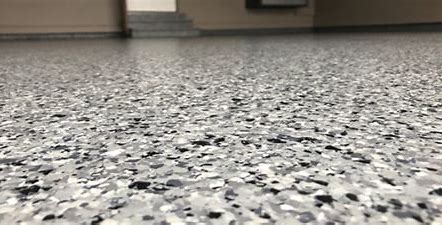
We mechanically prepare the floor before applying a polyurea base coat. Decorative flakes create the selected finish, while a polyaspartic topcoat adds lasting protection. The complete system bonds securely to properly prepared concrete and performs well in below-grade spaces.
Unlike many traditional flooring materials, the seamless surface does not trap dirt or absorb spills. It is also easier to clean after unexpected water exposure once the source has been corrected and the basement has dried.
Find Out Whether Your Basement Floor Is Ready For Coating
Heavy rain often exposes water problems that remain hidden during dry weather. Correcting the entry point first gives the floor coating the conditions it needs to perform.
Once the water issue has been resolved, Level 10 Coatings will assess the concrete and explain the available coating options. Request a free quote to start planning a more durable basement floor.