From Flood Cleanup To Rebuilding Your Basement
After a flooded basement, the first step is removing standing water, drying the space and taking out materials that cannot be salvaged. A restoration company typically handles this part of the process. From there, the cause of the flooding needs to be corrected before rebuilding begins.
When you’re ready to put the basement back together, the floor is worth reconsidering. Level 10 Coatings has installed more than 2,000 floors across Northern Indiana, Chicagoland and Southwest Michigan. Our locally owned team installs Polyurea and Polyaspartic floor coating systems year-round, giving homeowners a durable flooring option as they plan their rebuild after a basement flood.
What Happens During The Basement Flood Restoration Process?
The exact basement flood restoration process depends on how much water entered the space and what materials were affected. In most cases, restoration focuses on removing the water quickly and drying the basement thoroughly before repairs begin.
A restoration company may:
- Extract standing water and remove materials that cannot be salvaged
- Use fans and dehumidifiers to dry the basement
- Evaluate areas where lingering moisture could lead to mold growth
- Check the space for additional damage before rebuilding begins
Level 10 Coatings does not perform flood cleanup or water extraction. A qualified restoration company should handle that portion of the process before any new flooring is installed. Before rebuilding begins, though, homeowners should understand what caused the flooding in the first place.
How To Prevent Basement Flooding After Cleanup
Drying the basement addresses the immediate problem. It does not necessarily correct what let water inside.
Heavy rainfall can saturate the soil around a home and increase the amount of groundwater surrounding the foundation. Problems with exterior drainage or the sump system can also become much more noticeable during prolonged storms.
If those conditions are not corrected, another round of heavy rain may lead to the same problem.
That is why learning how to prevent basement flooding begins with identifying the source of the water. Depending on the home, a basement waterproofing or drainage contractor may need to address the underlying issue before the space is rebuilt.
The goal is simple: don’t pay to clean up and replace everything twice.
Why Consider A Polyurea Floor Coating After Basement Flooding?
When rebuilding after a flood, it is worth reconsidering what goes back on the basement floor. Carpet and other moisture-sensitive flooring materials may need to be removed and replaced after significant water exposure, which can leave homeowners looking for a different option.
A Polyurea floor coating is applied directly to properly prepared concrete, creating a durable, seamless finished surface. This gives homeowners an alternative to reinstalling carpet or another moisture-sensitive flooring material over the slab.
A floor coating does not prevent basement flooding or correct an underlying water problem. Instead, it gives homeowners a flooring option that is better suited to a below-grade space once the source of the flooding has been addressed.
Why We Check The Slab Before Coating A Flooded Basement
A basement may look dry even when the concrete underneath is not ready for a new coating.
Concrete is porous, so moisture can continue moving through the slab after standing water has been removed. Groundwater beneath the home can also create hydrostatic pressure below the concrete.
That matters because excess moisture can affect how well a floor coating bonds and performs.
Before coating a basement floor, the condition of the slab needs to be evaluated. If there is still active water intrusion or an unresolved drainage problem, that issue should be handled first.
This is where hydrostatic pressure becomes important in our evaluation. It is not something we repair, but it is something we account for when determining whether the concrete is suitable for a coating.
What Does The Polyaspartic Floor Coating Do?
Our Polyaspartic coating serves as the protective top layer of the floor coating system, creating the finished surface and helping protect the floor from everyday wear.
We specialize in Polyurea and Polyaspartic systems rather than traditional epoxy. Together, these materials create a durable, seamless basement floor designed for regular use.
What Happens During A Basement Floor Coating Project?
When the slab is ready for coating, Level 10 Coatings uses an in-house team and a six-step installation process:
- Prepare the concrete. Diamond grinding creates the proper surface profile.
- Repair the floor. Cracks, pits and surface imperfections are addressed.
- Apply the Polyurea base coat. The base layer bonds to the prepared concrete.
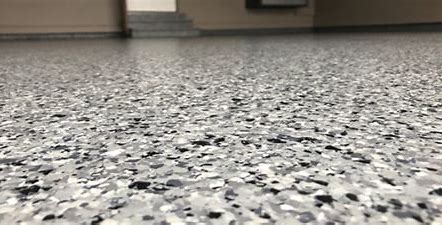
- Broadcast the decorative flake. Flake creates the floor’s finished look.
- Scrape and clean the surface. Excess flake is removed.
- Apply the Polyaspartic topcoat. The final layer seals and protects the floor.
Do Not Rebuild Until The Water Problem Is Solved
After a basement flood, cleanup is only the first step. Once the basement is dry and the source of the water has been addressed, Level 10 Coatings can evaluate the slab and help determine whether a Polyurea and Polyaspartic floor coating is the right next step. Schedule a free estimate to explore your basement floor coating options.