Coverage Depends On How The Water Entered
Homeowners insurance generally does not cover basement flooding caused by storm runoff or water entering from outside the home. A standard policy often treats sudden indoor water damage differently, so a burst pipe and rainwater that enters through a foundation crack do not receive the same coverage.
Level 10 Coatings has installed more than 2,000 floors throughout Northern Indiana, Chicagoland and Southwest Michigan. Our in-house team evaluates basement concrete before recommending a coating system, including checking for moisture exposure. While your insurance provider determines coverage, our experience shows why understanding the water source matters before repairing or coating the floor.
Does Homeowners Insurance Cover Rainwater In A Basement?
A wet basement describes the damage, not the event that caused it. Insurance companies look at how the water entered before determining whether the loss is covered under the policy.
Standard homeowners insurance generally excludes rainwater that collects on the ground before entering a basement. This includes storm runoff, rising groundwater and water forced through the foundation by hydrostatic pressure. The exclusion still applies when the water enters through a foundation crack.
Basement coverage often focuses on essential equipment and structural components rather than every improvement or personal belonging stored below ground. Homeowners should review the policy’s coverage limits and definition of a basement before relying on it.
A Sump Pump Backup Requires Separate Coverage
Heavy rain sends more groundwater toward the sump system. If the pump loses power or cannot remove water quickly enough, the pit can overflow into the basement.
Homeowners usually need a water backup endorsement added to the policy for this protection. The endorsement has its own limit and deductible.
Even with the endorsement, the cause still matters. A failed sump pump and widespread surface flooding are not always treated as the same event. The insurance provider reviews how the water entered before applying coverage.
Burst Pipes Are Treated Differently
Homeowners insurance often covers water damage from a pipe that bursts suddenly inside the home. Coverage typically applies to the resulting damage rather than the worn or failed pipe itself.
The policy still expects reasonable home maintenance. Damage tied to a long-term leak, neglect or an unresolved condition often falls outside coverage. If a basement floods after a sudden plumbing failure, shut off the water and document the affected area before cleanup begins.
What To Do After Your Basement Floods
Once you discover water, protect the home and preserve a clear record of what happened.
- Avoid unsafe areas. Do not enter standing water near electrical equipment or outlets. Shut off power only when it is safe to reach the panel.
- Stop the source when possible. Turn off the home’s water supply for a plumbing failure. Do not assume this will stop groundwater entering during a storm.
- Document the damage. Photograph where the water entered and record the depth. Take pictures of damaged finishes before moving anything.
- Contact your insurance provider. Report the loss and ask which policy applies. Confirm what documentation the adjuster needs before repairs begin.
- Prevent further damage. Follow the insurer’s instructions for water removal and drying. Keep receipts for emergency work and temporary measures.
Do not cover or coat the floor until the basement has dried and the water source has been corrected. Moving too quickly hides evidence of the problem and puts the new finish at risk.
Prevention Matters When Coverage Is Limited
Insurance helps homeowners recover from covered damage. It does not replace the work required to keep water away from the foundation.
When groundwater causes flooding, the solution starts with drainage or waterproofing rather than plumbing repair. A qualified professional should identify why the water entered and correct the underlying condition. The appropriate work depends on the property and where water collects during a storm.
Understanding these exclusions before the next heavy rain gives homeowners time to review their policies. It also creates an opportunity to address weak drainage before another flood causes more damage.
Build A More Resilient Basement Floor
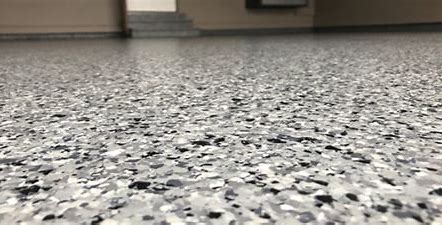
Once the source of the flooding has been corrected and the concrete is dry, a professional coating creates a more durable basement surface. Level 10 Coatings evaluates and mechanically prepares the concrete before applying a polyurea base coat. Decorative flakes create the finish, then a polyaspartic topcoat seals the system.
The seamless surface is easier to clean than bare concrete and does not trap dirt like many traditional basement flooring materials. If unexpected water exposure occurs later, the coating can make cleanup simpler once the basement is properly dried.
Polyurea and polyaspartic coatings tolerate variable moisture conditions, but they do not waterproof the basement. That distinction protects homeowners from investing in a finished floor before the space is ready.
Find Out Whether Your Basement Floor Is Ready
A flooded basement needs answers before it needs a new finish. Confirm the source, review the loss with your insurance provider and complete the necessary water-control work first.
Once the basement is dry, Level 10 Coatings will assess the concrete and explain the available basement floor coating options. Request a free quote to start planning a floor built for long-term use.